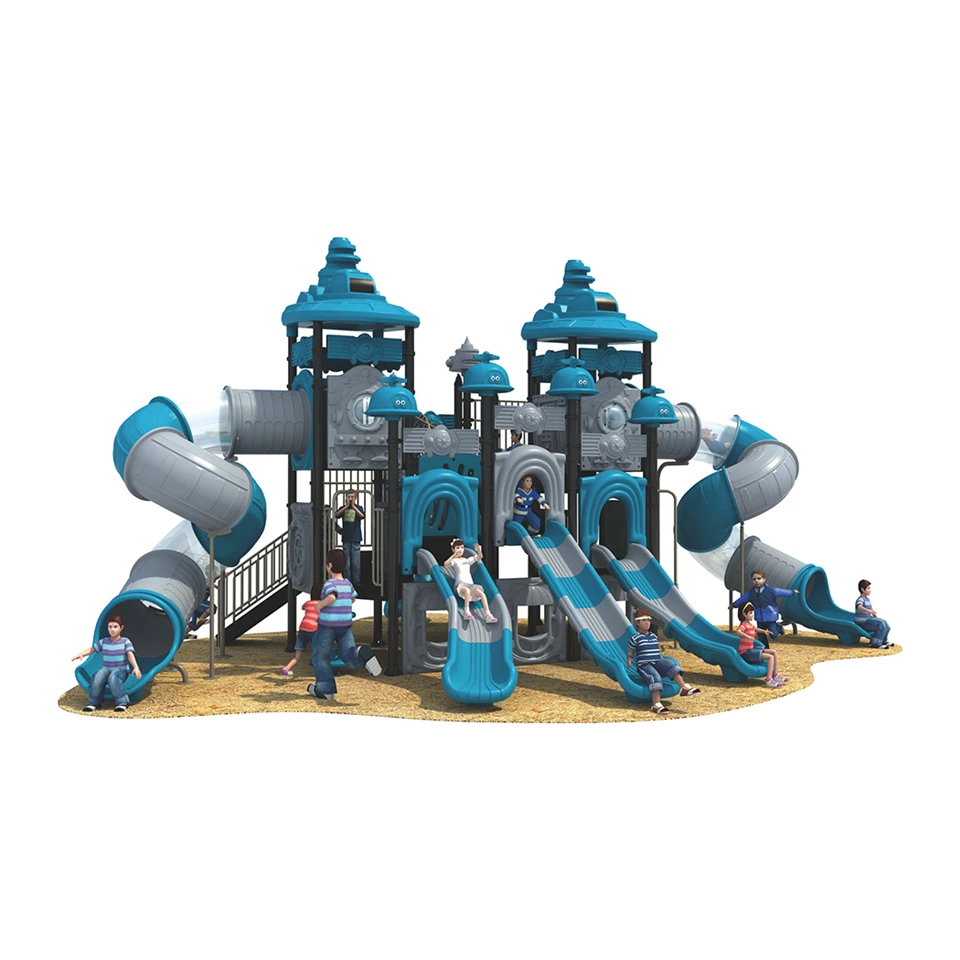
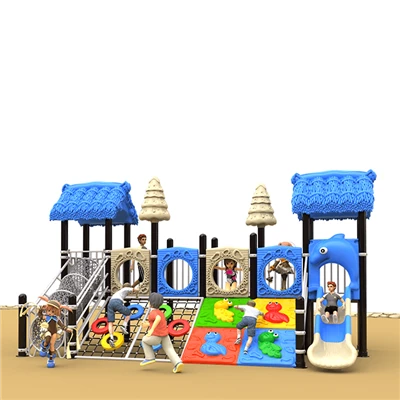
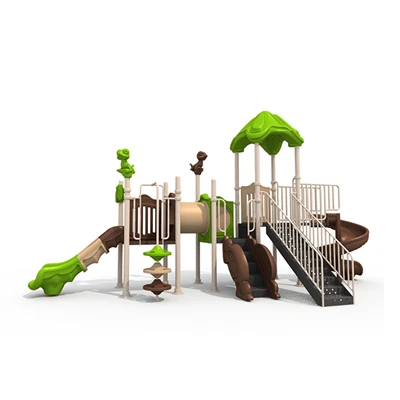
Watching a dozen kids dangle from an elevated crossbar, you already know the answer: steel can take it. Steel is the strongest material on the playing field, hence the name Steel Jungle Stadium. The frame can withstand weight without bending or breaking, but wood and plastic will deform over time. Strength lies in the metal itself. Durability refers to coating, design and maintenance and lasts for many years. This paper analyzes from two aspects: why steel structure is so strong, how long galvanized structure has a useful life, and what it needs attention to.
What does "strong" mean in the playground?
Playground frames face moving loads, not static loads. When a child lands on the platform, the impact is several times their weight. The force was even greater when the entire class climbs the same beam. The tube can withstand this abuse without bending. Wood can be split. Plastic can crack in too much sunlight. Steel doesn't age like that.
Safety standards take this seriously seriously. In the United States, ASTM F1487 sets safety rules for public playground equipment. It covers children from as young as 2 to 12 years of age. It sets out clearance rules, the size of the area to be used and testing steps to reduce serious playground injuries. For Steel Jungle Gyms sold in North America, the standard lays out the ground rules for how structures must be strengthened.
In Europe, the EN 1176 series does the same. EN 1176-1 lists general safety rules and test methods. Its attachments demonstrate how to calculate the load and how to test the actual structure. A structure cannot be considered safe on paper alone. It must show that it can withstand the power of positive play.
Steel's weight is also part of its strength. The steel frame is heavy, so it would stay in place as the children climb up and down and swung. That's why busy parks often use it. Steel does not rot, deform or attract insects like wood. After years of sunlight, it doesn't break like plastic. That's why steel is used most in large, durable rides.

Why won't steel frame rust in a decade?
Raw steel rusts quickly outside, so good playground builders never use exposed steel. Hot-dip galvanizing is the first line of defence. Steel enters molten zinc, which zinc sticks to it to form a solid layer. Zinc rusts first, which protects the steel below. The coating also includes the inside of pipes and tight joints, where paint is out of reach.
Data from the American Galvanizers Association show how long galvanized steel can last. "First Maintenance time" is when about 5 percent of the steel surface shows rust. This time depends on the thickness of the zinc. Structural steel coated with ASTMA 123 is expected to last 72 to 73 years before first maintenance, even in industrial areas. That number is about the coating, not the whole structure. But it also explains why why galvanized steel playground frames of the 1990s still stands in the park.
Local weather changes those numbers. Coastal air and heavy factory pollution accelerate zinc wear. The air is better in the countryside and suburbs. For waterfront sites, buyers can opt for thicker zinc coatings, stainless steel parts and more regular inspections. Many large buildings add powder coating to zinc surfaces. This layer adds color and an extra barrier against water and scratches. Steel rides are not unbreakable. But rust clocks are long.
How long does Steel Jungle Gyms last?
Well-preserved commercial steel play frames can last 20 to 30 years in practical terms, while main steel tubes can last longer. But a pattern is often seen: the main frame is more durable than the widget. Galvanized posts and beams can last decades. But bolts, bearings, chains, seats and connectors wear out first.
That's why good buildings use stainless steel parts at all moving joints, and why there are inspection plans. The European standard EN 1176-7 tells site owners how to set up, inspect, maintain and operate their equipment. It says even sturdy frames can become unsafe when small fasteners and moving parts wear out without notice.
One caveat: Steel is strong, but not carefree.
Steel Jungle Gyms are powerful, but that doesn't mean they don't need care. Raw intensity doesn't mean the device itself will last forever. United U.S.. Consumer Product Safety Commission's public playground safety handbook says accidental injuries occur on playgrounds. Its checklist lists rusty metal parts as dangerous parts to look for. Repairs must follow the maker's guidance, and a written record of each inspection should be kept on site.
One link that is often overlooked is the ground material beneath the rides. The ground must be soft enough to withstand the maximum drop point of the device. Even very strong steel frame can cause serious head injuries when children fall onto concrete or hard dirt. Strength lies in structure. Security is about the system.
The hardness of steel goes both ways. Steel cannot bend to soften impact. Safety guidelines warn against heavy metal swinging as hard metal frames can cause more impact. The hardness of the steel is a big advantage for the frame, but a big risk for moving parts. Playground design standards exist to manage this trade-off. That's why it's more important to buy a standard than a material.
How to tell if a steel frame is durable jungle gym
A few simple spot checks can tell the difference between a durable building and one that will wear out in a few years:
Hot galvanized steel, ASTM A123 compliant, with powder coating on top for extra protection.
Each moving joint and fastener has Stainless steel parts.
The weld is smooth, with no sharp edges, no protrusions, and no open end of the tube so children don't get hurt or stuck.
The equipment is consistent with evidence of ASTM F1487 in North America or EN 1176 in Europe.
Establish a written inspection plan in accordance with good maintenance practices.
This practical list distinguishes between Steel Jungle Gyms that take a long time to build from cheap wear and tear quickly.
Frequently Asked Questions
How strong steel playground equipment? Tube manufactured for ASTM F1487 or EN 1176 must pass climbing, rocking and jumping load tests for children aged 2 to 12. European rules also require practical competency tests, not just paper calculations.
Can Does galvanized steel rust? It can rust, but it must take a long time. Well-coated structural steel has reached its first maintenance point in the industry after 72-73 years of development, according to the American Galvanizers Association. Coastal areas shorten it short.
How often do jungle gym need to be inspected? United U.S.. Consumer Product Safety Commission says playgrounds need to be inspected regularly. Workers look for rust, wear and new hazards, solve problems quickly and keep written records. EN 1176-7 sets similar care rules for playgrounds in Europe.
Reference Sources (no external link)
- U.S. Consumer Product Safety Commission. Public Playground Safety Handbook (Public Safety Guidelines for Government Outdoor Playground Facilities)
- ASTM International. ASTMF1487: Standard Consumer Safety performance specification for Public Playground Equipment; ASTMA123: Standard Specification for Zinc (Hot Galvanized) Coating for Steel Products
- BSI (British Standards Institution). BSEN 1176-1: Playground equipment and surfacing-Part 1: General safety requirements and test methods; BSEN 1176-7: Guidelines for installation, inspection, maintenance and operation of playground equipment
- American Galvanizers Association. Industrial field performance study: the first maintenance of hot galvanized structural steel under different atmospheric conditions